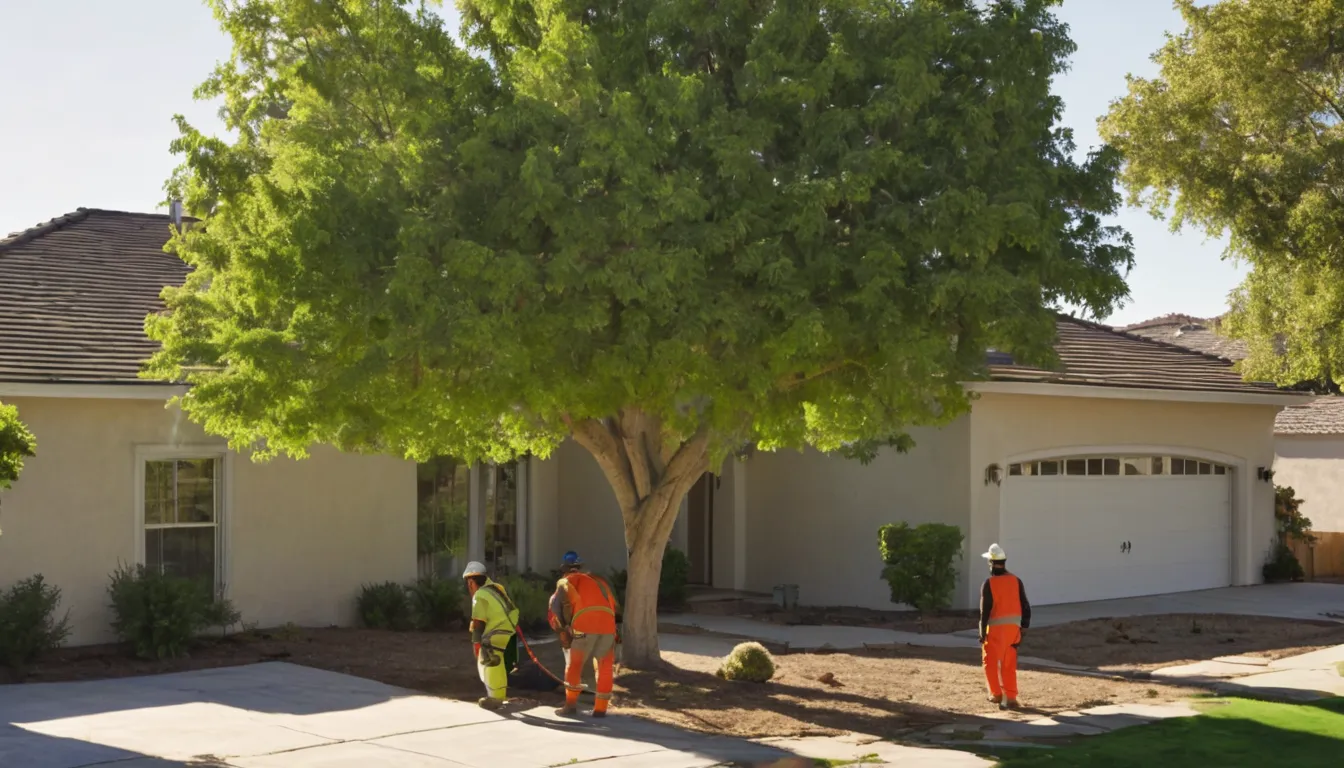
Residential Tree Removal for Glendora Homeowners
Representationtherapy Tree Service is a referral service. We do not cut or haul trees. We connect homeowners in Glendora and the Glendora area with independent local providers who handle residential tree removal, from a single backyard tree to a limb across the driveway.
The goal is simple. You see what the job involves, compare written quotes and pick what fits your budget. Price follows the job, so size, access and tree condition matter. Some providers also offer stump grinding after the tree is down. Request a callback to check provider availability, or request an estimate when you are ready. There is no obligation either way.
Tree Down or Leaning? Start Here
If a tree is already on your house, car or fence, skip ahead to the next section. If it is only worrying you, you have time to compare. Either way, the plan is the same: understand the job, get it in writing, then decide.
The First Hour After a Fall
Stay calm and keep everyone away from the tree. Then work through this list:
- Move people and pets out of the area.
- Stay far from any wires. Treat them as live.
- Do not climb on or cut a tree that is under tension.
- Take photos from a safe distance for your records.
- Request a callback to check provider availability.
When It Counts as Emergency Tree Removal
A tree that blocks a door, rests on the roof or pulls on power lines is urgent. So is one that is cracked at the base or visibly moving. Many providers can respond quickly to these jobs, though availability varies. Rush work can cost more, so ask what is driving the price.
Storm Tree Clearance After Winter Rain
Wet winter storms can loosen roots in soil that was dry for months. Limbs drop, and whole trees can lean overnight. Storm tree clearance often means cutting a fallen tree into pieces and moving it off the property. After a big storm, providers get busy, so ask for a realistic window instead of a promise.
Dry Seasons and Smoke Months
Long dry spells stress trees. Dead branches and dying trees near a home are a fire and fall risk. Many homeowners schedule removal before the dry season peaks, when calendars are less crowded.
Reasons Homeowners Take a Tree Out
- The tree is dead, diseased or hollow.
- Roots are lifting a slab, walkway or driveway.
- Branches hang over a roof or touch stucco walls.
- The tree is too close to power lines.
- You want more light, space or a clear yard.
How a Tree Falling Service Works
Most jobs follow three stages. Knowing them helps you read a quote.
The Site Visit
The provider looks at the tree, the lean and what sits below it. Photos can sometimes start the conversation, but a walk-around gives a firmer number.
The Cutting Plan
In an open yard, a tree may be felled in one direction. Near a house, crews often climb and lower pieces in sections. Tight access can mean a crane or extra labor.
Cleanup and Haul-Away
Some quotes include chipping and hauling. Others leave logs on site. Ask which one you are getting.
What Moves the Price
Price follows the job. Height and trunk width matter most. Access matters next. A tree in a back corner behind a fence costs more to handle than one by the street. A dead or damaged tree can add risk, and risk adds time. Nearby wires, sloped ground and tight roofs also raise a quote. See the typical ranges below.
Compare, Then Decide
Get two or three quotes in writing. Check that each lists the same work: cutting, cleanup, hauling and any stump work. A low number that leaves out hauling is not really lower. Ask plain questions and take your time. If a provider pushes you to sign on the spot, that is worth noting.
Permits and Local Rules
Some cities protect certain trees or larger trunks. You may also need approval if the tree is in a shared or public strip. Rules differ by city, so ask the provider and your local city office. Never assume. A permit can add a fee and a waiting period.
Choosing a Provider
Ask if the provider carries liability insurance and workers' compensation, and ask to see proof. Request a written scope and price. Ask who handles cleanup. Be wary of a quote that is only a verbal number. Representationtherapy Tree Service does not vouch for any provider, so do your own checks.
Getting Ready for Removal Day
- Move cars, patio furniture and toys away from the work zone.
- Clear a path for equipment.
- Tell neighbors if work may block shared access.
- Keep pets indoors.
- Take before photos.
After the Tree Comes Down
Walk the yard with the provider and check against the written quote. Look at fences, roofing and irrigation lines. If damage came from a sudden event, some policies may cover it, so check your policy. Providers can often help document damage for a claim. The stump stays unless you ask for stump grinding, which many providers quote as a separate line.
What's Included
Full Tree Removal
Cutting a standing or fallen tree safely and taking it down in sections when space is tight.
Hazard Assessment
A look at lean, decay and what sits underneath, so the cutting plan fits your yard.
Cleanup and Hauling
Branches and logs cleared from the work area, often chipped or hauled away when quoted.
Storm Response
Many providers can respond quickly to trees that fall during storms, depending on availability.
Typical Tree Removal Costs
These are typical U.S. ranges and vary by job, tree and location. Treat them as a starting point, and always get a written quote that lists exactly what is included.
| Item | Typical range | Notes |
|---|---|---|
| Small tree (under 30 ft) | $150 – $600 | Open access keeps the price low |
| Medium tree (30–60 ft) | $500 – $1,500 | Height and trunk width drive cost |
| Large tree (over 60 ft) | $1,200 – $3,500 | Often needs climbing or a crane |
| Emergency or storm job | $1,000 – $4,500 | Rush work and hazards raise the quote |
| Crane or lift add-on | $1,500 – $5,000 | Used when access is tight |
| Haul-away and chipping | $75 – $500 | Sometimes already in the quote |
How It Works
Describe Your Tree
Tell us the tree size, location and any damage so providers can understand the job.
Call or Request an Estimate
Request a callback to check provider availability, or use the estimate request form.
Compare Written Quotes
Look at scope, cleanup and price. Ask questions until the details are clear.
Choose and Schedule
Pick the provider that fits your budget and set a date that works for you.
Why Call Representationtherapy Tree Service
Compare Quotes
See more than one written quote so you can judge scope and price side by side.
No Pressure
Request an estimate and decide on your own schedule, with no obligation.
Local Providers
Independent providers in our network know local trees, soil and city rules.
Plain Answers
Clear, simple guidance on what affects the price.
Other Services
Need residential tree removal in Glendora?
Questions about a tree or a quote? Send a message to contact@representationtherapy.property or request an estimate, and a local provider can follow up.
No obligationResidential Tree Removal FAQ
How much does it cost to remove a tree from my yard?
Typical U.S. costs run from about $150 for a small tree to $3,500 or more for a large one. Access, height, condition and cleanup all change the price, so get a written quote.
Do I need a permit to remove a tree?
It depends on your city and the tree. Some places protect certain species or larger trunks. Ask the provider and your local city office before any cutting starts.
Will homeowners insurance pay for a fallen tree?
Some policies may cover sudden damage, such as a tree falling on a house. Coverage varies, so check your policy. Providers can often help document damage for a claim.
Tell us what happened
Questions about a tree or a quote? Send a message to contact@representationtherapy.property or request an estimate, and a local provider can follow up.
No obligation